 Skip to content


If you manage a business in Surrey, you know clean air matters for both your team and customers. But how often should you really schedule duct cleaning? The answer isn’t one-size-fits-all. Surrey’s unique climate, your building’s usage, and even the type of business you run all play a part. Before setting your next appointment, consider what factors make your space different—and why a generic schedule might not be enough.
How Surrey’s Climate Affects Commercial Air Duct Cleaning Frequency
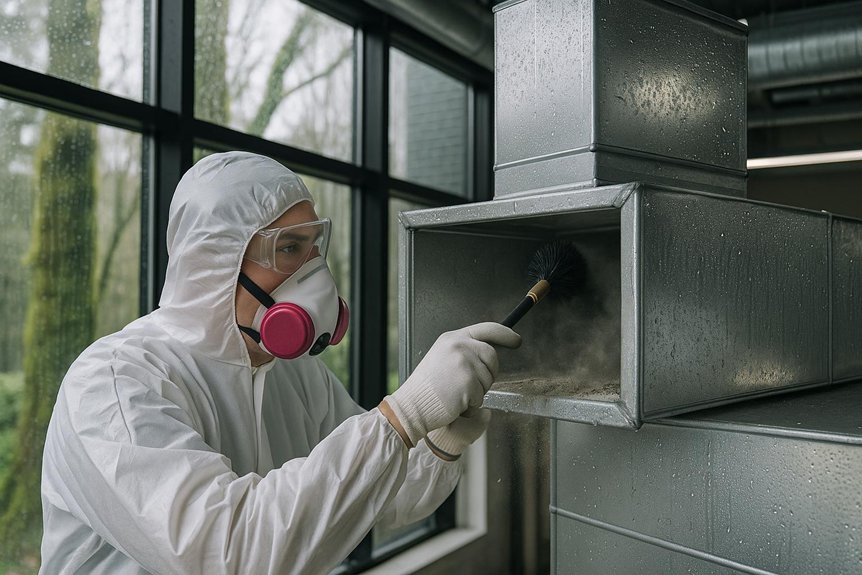
With Surrey’s famously damp climate and frequent rainfall, commercial air ducts face unique cleaning challenges all year round. When you manage a business here, you’ll notice higher humidity and ongoing moisture buildup inside your building. This climate accelerates dust, debris, and even mold growth inside ductwork. HVAC systems run more often to maintain comfort, causing dirt to accumulate faster—especially in high-traffic or food-service environments. Without regular cleaning, airflow gets restricted, and indoor air quality drops quickly.
- Moisture Intrusion: Persistent dampness increases the risk of mold and bacteria in ducts.
- Rapid Dust Build-Up: Humid air carries more particulates, leading to faster dust accumulation.
- Year-Round HVAC Use: Constant system operation pushes debris deeper into vents.
- Grease and Odor Risks: Restaurants see more buildup from kitchen vapors.
- Decreased Airflow: Moisture-laden debris clogs ducts, reducing HVAC efficiency.
For many Surrey businesses, improving indoor air quality is a key benefit of regular duct cleaning, as it helps reduce dust circulation and airborne contaminants in these damp conditions.
Why Air Duct Cleaning Frequency Varies for Different Businesses
Every commercial building in Surrey faces its own set of air quality challenges, shaped by daily operations and occupancy patterns. You’ll notice that duct cleaning frequency isn’t one-size-fits-all—everything from your business type to seasonal foot traffic can speed up duct buildup. For example, a busy restaurant will see more grease and particulates in its vents than a low-traffic office. Medical clinics and retail stores often need more frequent cleanings due to higher occupancy and air quality demands.
- Business Type: Restaurants and clinics accumulate contaminants faster than offices or warehouses.
- Occupancy Levels: Crowded spaces mean more dust, allergens, and debris in ducts.
- HVAC Usage: Systems running year-round, especially in Surrey’s climate, gather buildup quicker.
- Indoor Activities: Cooking, manufacturing, or renovations add unique pollutants to your air system.
- Employee Complaints: Reports of allergies or poor airflow signal it’s time for a cleaning.
Professional indoor air quality testing can help identify hidden ventilation issues that may require more frequent duct cleaning, ensuring your business maintains a healthy environment. Understanding your building’s unique needs helps target the right cleaning schedule—next, let’s look at general recommendations for most Surrey businesses.
Recommended Air Duct Cleaning Schedule for Most Surrey Businesses
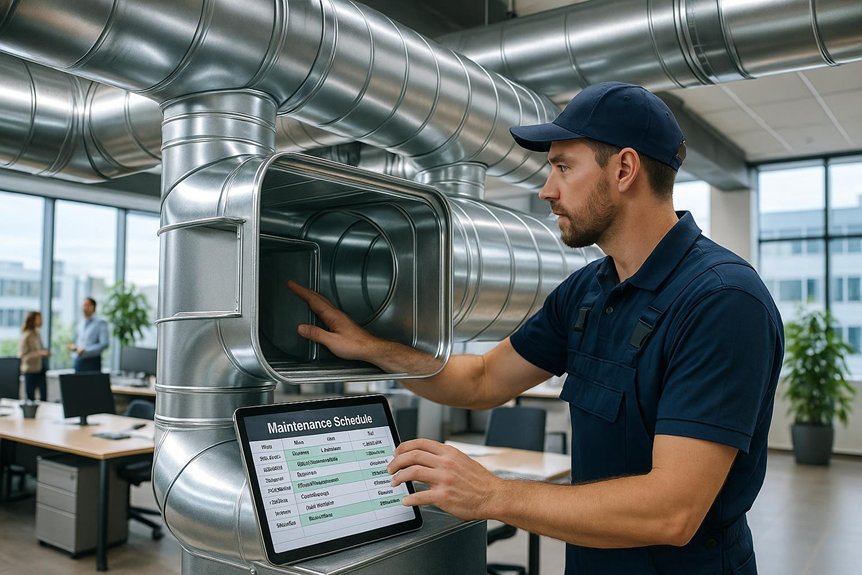
Because Surrey’s damp climate and heavy HVAC usage accelerate duct buildup, most local businesses can’t rely on generic cleaning timelines. In our experience, offices, retail stores, medical clinics, and warehouses typically need professional duct cleaning every 12 to 24 months. Still, your ideal schedule depends on factors like occupancy, system age, and air quality demands. Watch for quick dust return, persistent odours, or employee complaints—these all signal it’s time for cleaning.
- Moisture Issues: Surrey’s humidity boosts dust and mould growth inside ducts.
- Seasonal Rainfall: Wet weather increases indoor air contaminants and moisture buildup.
- Regular HVAC Use: Year-round operation accelerates dust and debris accumulation.
- Occupancy Changes: More people raise dust and allergen levels faster.
- Employee Health: Complaints about allergies or discomfort mean your ducts may need cleaning.
While standard timelines work for many commercial spaces, certain environments experience much heavier usage. In these cases, ducts collect contaminants faster, making more frequent cleaning essential to maintain air quality and system efficiency.
How High-Traffic and Restaurant Spaces Require More Frequent Cleaning
In high-traffic environments, duct cleaning often needs to be scheduled more frequently than standard timelines. Businesses like restaurants, retail stores, and busy commercial spaces generate higher levels of grease, dust, and airborne contaminants. This constant buildup can quickly impact airflow, indoor air quality, and overall comfort if not addressed regularly.
Key factors that increase cleaning frequency include:
- Grease in Restaurant Ducts – Cooking vapors create buildup that restricts airflow and increases fire risk.
- High Occupancy – More people generate dust, allergens, and particles that accumulate inside duct systems.
- Frequent Cooking – Continuous kitchen activity produces residue that settles inside ducts and ventilation systems.
- Humidity Issues – Damp conditions accelerate mold growth and moisture buildup within ductwork over time.
- Comfort Complaints – Poor air quality leads to discomfort, affecting employee productivity and customer experience.
Because of these conditions, cleaning schedules should be adjusted based on usage levels. Restaurants and food-service businesses often benefit from duct cleaning every 3–6 months, while high-traffic retail spaces may require cleaning every 6–12 months to maintain proper airflow and air quality.
Even with a proactive cleaning schedule, buildup can occur faster in these environments. Monitoring system performance and indoor air quality helps ensure your cleaning frequency stays aligned with your business needs.
Warning Signs Your Business Needs Air Duct Cleaning Sooner
Even if you follow a regular cleaning schedule, certain signs may indicate your ducts need attention sooner. In high-use commercial environments, buildup can happen faster than expected. Recognizing these early warning signals helps you adjust your cleaning frequency before air quality, comfort, and system performance begin to decline.
Many businesses only recognize these issues after complaints begin affecting daily operations.
Key warning signs to watch for include:
- Persistent Musty Smell: Indicates possible mold or excess moisture in your ductwork.
- Visible Dust at Vents: Suggests rapid dust accumulation inside your system.
- Quick Dust Reappearance: Cleaning doesn’t last long, pointing to dirty ducts.
- Reduced Airflow: Noticeable drop in ventilation efficiency.
- Frequent Staff Complaints: Employees mention stuffy or uncomfortable air.
As these air quality issues become more noticeable, many businesses begin looking for long-term solutions. Regular duct cleaning not only addresses current concerns but also helps prevent future buildup and performance issues.
How Dirty Air Ducts Affect Indoor Air Quality and Comfort
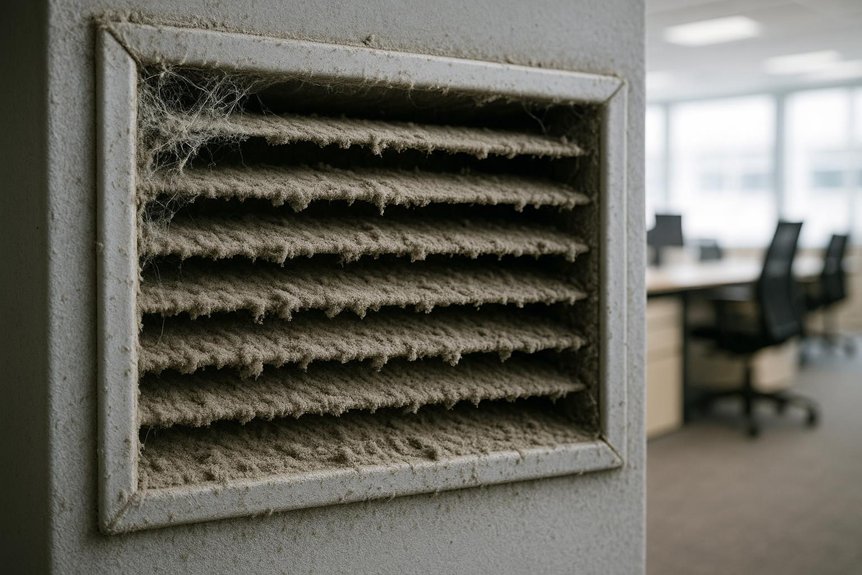
Every day, countless Surrey businesses rely on their HVAC systems to keep air fresh and comfortable indoors. When your ducts are dirty, dust, mold spores, and allergens circulate throughout your workspace. Employees and customers may notice more sneezing, itchy eyes, or headaches. In restaurants or offices, stale air and lingering odours quickly become a problem, especially with Surrey’s high humidity and rainy climate.
- Dust Recirculation: Dirty ducts push dust back into the air, causing rapid buildup on surfaces.
- Allergen Exposure: Mold spores and pollen trapped in ducts aggravate allergies and respiratory issues.
- Odour Problems: Grease, moisture, and organic debris in ducts cause persistent unpleasant smells.
- Reduced Comfort: Poor airflow leads to hot, stuffy, or cold spots throughout your building.
- Lower Productivity: Uncomfortable air quality can impact employee focus and well-being.
Next, let’s explore how regular duct cleaning delivers measurable benefits for your business environment.
Benefits of Scheduling Regular Commercial Air Duct Cleaning Services
Routine commercial air duct cleaning offers several clear advantages for Surrey businesses striving for healthier indoor environments. When you schedule regular service, you’re addressing problems before they impact your staff or customers. You’ll notice fresher air, improved comfort, and efficient HVAC performance, even during Surrey’s damp seasons. Proactive cleaning keeps your workplace inviting and supports a healthier, more productive team year-round.
- Improved Air Quality: Reduces allergens, dust, and contaminants circulating in shared workspaces.
- Enhanced Energy Efficiency: Clean ducts allow HVAC systems to run smoothly, saving on utility costs.
- Mold and Moisture Control: Limits mold growth, often triggered by Surrey’s humid, rainy conditions.
- Fewer Maintenance Issues: Prevents buildup that can lead to costly HVAC repairs.
- Extended System Life: Regular cleaning protects your HVAC investment for the long term.
To consistently achieve these benefits, it’s important to work with a trusted duct cleaning company that understands your building’s needs and local environmental conditions. The right approach helps ensure lasting improvements in air quality, system performance, and overall comfort for your team and customers.
Why Choose Clover Air Duct Cleaning in Surrey, BC

When your business depends on clean, efficient air systems, choosing a company that understands Surrey’s unique commercial challenges can make a real difference. Clover Air Duct Cleaning brings hands-on experience working with offices, restaurants, retail spaces, and warehouses, allowing for accurate assessments and tailored cleaning schedules based on your building’s needs.
Working with a trusted team for commercial air duct cleaning and indoor air quality services helps you stay ahead of buildup, improve airflow, and maintain a healthier, more comfortable environment for your employees and customers throughout the year.


